

Top Best M.Sc MLT Colleges in Dehradun 2026
Looking for Best MSC MLT(Medical lab Technology) colleges in Dehradun? Find best MSC MLT college for you with the help of Verca. The MSC MLT course is a postgraduate program that aims to provide advanced knowledge and skills to students in the field of Medical Laboratory Technology. The course duration is typically two years, consisting of four semesters. Here you get all the information about courses, fee structure, eligibility criteria ,etc.
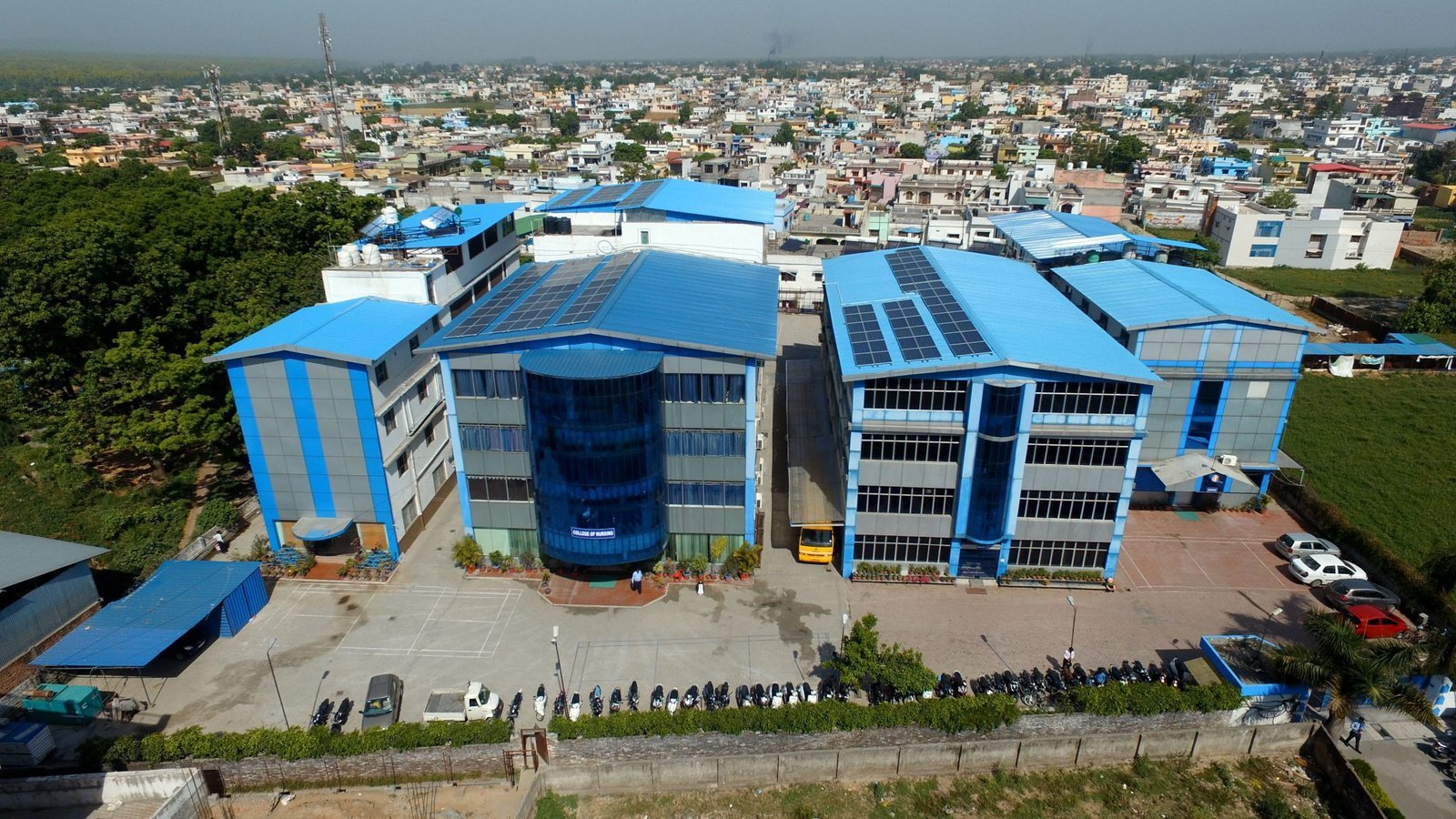
Uttaranchal PG College of Bio-Medical Sciences & hospital
Total Fees: ₹ 64k- 2.60L
View Details
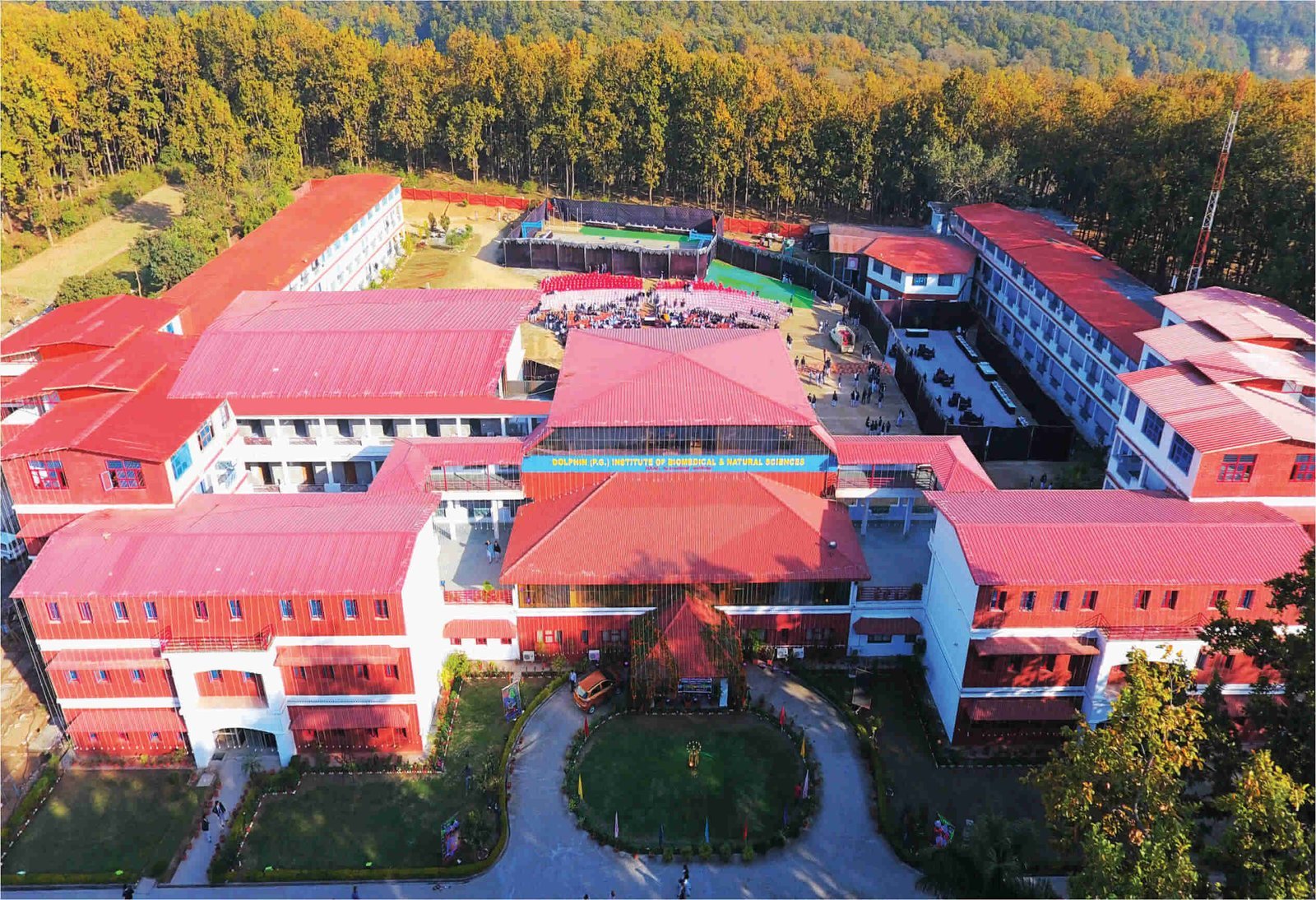
Dolphin (PG) College of Biomedical & Natural Sciences
Total Fees: ₹ 70k - 2.80L
View Details
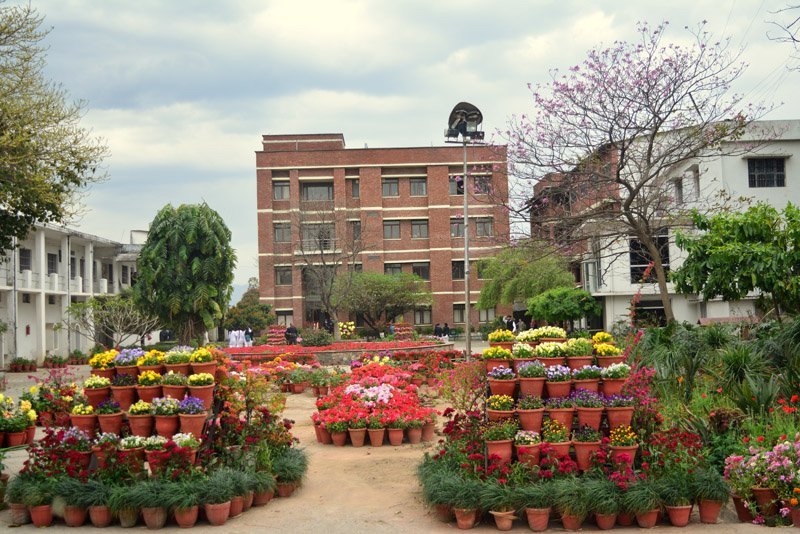
Sardar Bhagwan Singh Post Graduate Institute of Biomedical Sciences & Research
Total Fees: ₹ 68k- 1.72L
View Details

Enquire Now
About Course
Medica LaboratoryTechnology(MLT) is an essential aspect of healthcare industry. It involve practical and theoretical knowledge of Microbiology, Haematology, Cytology, biochemistry, blood bank , diagnosis treatment and prevention of disease through laboratory analysis of patience sample such as blood , urine and other body fluids.
MSC MLT COLLEGES IN DEHRADUN:
Dehradun the capital city of Uttarakhand , is home to some of India’s best MSC MLT colleges. The following are the top colleges in Dehradun offering MSC MLT course.
- UTTARANCHAL UNIVERSITY: Uttaranchal university is a leading college of Dehradun that offer 2years MSC MLT program. The college is known for its state-of-the-art infrastructure ,experienced faculty members, and cutting-edge curriculum that prepares student for the real word.
- HIMALAYAN INSTITUTE OF MEDICAL SCIENCE: Is a renowned college in Dehradun. It offers 2years of MSC MLT course. The college has team of experienced faculty members who provide students with hands- on training in clinical laboratory sciences, immunology, and microbiology.
FEES: 195000
- UTTARANCHAL PG COLLEGE: Uttaranchal PG college for MSC MLT has a highly qualified and experienced faculty with extensive expertise in various areas of MLT. The faculty member are dedicated to providing students with the highest quality education and practical experience.
FEES: 96,500 FIRST YEAR FEES
- DOON(PG) PARAMEDICAL COLLEGE & HOSPITAL: The faculty of Doon PG college is highly experienced and friendly. The Doon PG MSC MLT Program is designed to provide you with the knowledge and skills you need to succeed in your career.
FEES: 80,000 FIRST YEAR FEES.
- GRAPHIC ERA UNIVERSITY: Graphic era university is well known university in Dehradun. It provides 2 years of MSC MLT program. The course curriculum is designed to provide students with a comprehensive understanding of medical laboratory technology.
FEES: ANNUAL TUTION FEE: 1,55,000/-
ANNUAL EXAM FEE: 4,000/-
- DIT UNIVERSITY: DIT university is another renowned college in Dehradun that offers a quality education to students. The college has experienced faculty member for MSC MLT program . The MSC MLT program is designed to prepare student for a career in a healthcare sector .
- SGRR INSTITUTE OF HEALTH & SCINECE: SGRR Institute of health & science is a reputed college in Dehradun that offer two -years MSC MLT program. They provide practical and theoretical knowledge through best and experienced faculty member.
FEES: TOTAL COURSE FEE- 1,47,600
- DOON GROUP OF COLLEGES, DEHRADUN: Doon Group of College is well known college in Dehradun for MSC MLT. It providehighly educated and experience faculty.
FEES: 80,000 FIRST YEAR FEES
- DOLPHIN(PG) INSTITUTE OF BIOMEDICAL AND NATURAL SCIENCES: It offers 2 years of MSC MLT program. The college has experienced and highly qualified faculty .
FEES:1,0,7500 FIRST YEAR FEES.
10) SAI INSTITUTE OF PARAMEDICAL AND ALLIED SCIENCES,DEHRADUN:It is best known college of Dehradun for MSC MLT program. The college provide best knowledge for MSC MLT program.
FEES: 92,600 FIRST YEAR FEES.
Why choose Dehradun for MSC MLT course?
Dehradun has a number of colleges and universities that offer an MSC MLT course. Dehradun is an excellent place to pursue an MSC MLT course. These institutions have highly qualified faculty and state-of-the-art infrastructure, making them ideal for students there are plenty of job opportunities available after completing an MSC MLT course in Dehradun. The city has a thriving healthcare industry, and there is a high demand for skilled laboratory technicians and scientists. Graduates can find employment in hospitals, clinics, research centers, and diagnostic laboratories. So if you’re looking to pursue an MSC MLT course, consider choosing Dehradun as your destination – you won’t be disappointed!
Admission Process in MSC MLT Colleges in Dehradun:
The admission process for MSC MLT colleges in Dehradun varies from college to college. Most colleges conduct their entrance exams, and some colleges accept national-level entrance exam scores. Students need to keep track of the admission dates and submit the application form along with the required documents.
Eligibility Criteria for MSC MLT Colleges in Dehradun:
The eligibility criteria for MSC MLT colleges in Dehradun are as follows:
- The candidate must have completed their BSc MLT with a minimum of 50% marks.
- The candidate must have a valid entrance exam score or qualify for the college’s entrance exam.
- The candidate must meet the age limit criteria as per the college norms.
- Courses Offered by MSC MLT Colleges in Dehradun:
The following are some of the courses offered by MSC MLT colleges in Dehradun:
- Master of Science in Medical Laboratory Technology (MSC MLT)
- Post Graduate Diploma in Medical Laboratory Technology (PGDMLT)
- Certificate Course in Medical Laboratory Technology (CMLT)
SYLLABUS OF MSC MLT:
The syllabus of MSC MLT divided into semester wise. Each semester last six months.
The program includes both theoretical and practical coursework, as well as internships and research projects. Here’s a breakdown of the program structure:
Semester 1:
Basic Biochemistry and Physiology
Hematologyand Blood Bank
Clinical Pathology
Immunology and Serology
Semester 2:
Clinical Microbiology
Histopathology and Cytology
Biostatistics and Research Methodology
Clinical Instrumentation
Semester 3:
Advanced Hematology and Blood Banking
Advanced Clinical Pathology
Molecular Diagnostics
Quality Control and Management
Semester 4:
Advanced Clinical Microbiology
Advanced Histopathology and Cytology
Transfusion Medicine
Internship and Dissertation
Core Subjects:
The core subjects of the syllabus of MSC MLT are designed to provide students with a strong foundation in laboratory medicine.
Basic Biochemistry and Physiology: This subject covers the fundamentals of biochemistry and physiology, including cell structure and function, metabolism, and homeostasis.
Hematology and Blood Banking: Students learn about the structure and function of blood cells, blood typing, and transfusion therapy.
Clinical Pathology: This subject covers the analysis of body fluids and tissues for disease diagnosis, including urinalysis, CSF analysis, and biopsy interpretation.
Immunology and Serology: Students learn about the immune system, its function, and its disorders, as well as the principles of serological testing.
Clinical Microbiology: This subject covers the identification and diagnosis of microbial pathogens and the principles of infection control.
Histopathology and Cytology: Students learn about the microscopic examination of tissues and cells for diagnosis and treatment planning.
Biostatistics and Research Methodology: This subject covers the principles of research design and analysis, as well as statistical tools for data interpretation.
Clinical Instrumentation: Students learn about the principles and operation of laboratory instruments, including automated analyzers, spectrophotometers, and chromatography systems.
Elective Subjects:In addition to the core subjects, students can choose from a range of elective subjects to specialize in a specific area of laboratory medicine. Some of the popular elective subjects include:
Clinical Enzymology
Clinical Endocrinology
Clinical Genetics
Clinical Toxicology
Molecular Biology
Scope of MSC MLT in Dehradun:
Dehradun is a hub of excellent medical facilities, and it has a vast demand for qualified medical laboratory technologists. After completing an MSC MLT course from Dehradun, one can find employment in various fields such as hospitals, research labs, diagnostic Centers, health, and safety officer, education consultant, healthcare administrator, etc. One can also pursue higher studies in the field of medical sciences after completing an MSC MLT course.
CARRER after MSC MLT:
There are many career opportunities available after completing an MSc MLT (Master of Science in Medical Laboratory Technology). Some of the most popular option are here:
1.Medical Laboratory Technologist: As an MSc MLT graduate, you can work as a medical laboratory technologist in hospitals, clinics, and diagnostic laboratories. Your job duties may include analyzing specimens, performing tests, maintaining laboratory equipment, and documenting results.
2.Quality Control Officer: You can also work as a quality control officer in pharmaceutical and medical device companies. In this role, you will be responsible for ensuring that products meet quality standards and regulatory requirements.
3.Research Scientist: You can also pursue a career as a research scientist in academic institutions, research centers, and pharmaceutical companies. As a research scientist, you will design and conduct experiments, analyze data, and publish research papers.
4.Medical Sales Representative: You can also work as a medical sales representative for pharmaceutical and medical device companies. In this role, you will be responsible for promoting and selling products to healthcare professionals.
5.Laboratory Manager: As an MSc MLT graduate, you can also work as a laboratory manager in hospitals, clinics, and diagnostic laboratories. In this role, you will be responsible for managing laboratory operations, including budgeting, staffing, and quality control.
6.Educator: Another career option after an MSc MLT is to become an educator. You can work as a lecturer, instructor, or teacher in academic institutions, training programs, or professional development courses, where you can share your knowledge and experience with future generations of MLT professionals.
7.Medical Technologist Specialist: With an MSc MLT degree, you can choose to specialize in a particular area of medical technology, such as clinical chemistry, microbiology, hematology, immunology, or blood banking. This will allow you to become a specialist in your area of interest, providing advanced testing and analysis services in a particular field.
8.Biotechnology Researcher: MSc MLT graduates can also work in biotechnology companies that research new treatments or diagnostic tools. You can work as a part of a research team to develop new products or improve existing ones.
- Clinical Research Associate: As a clinical research associate, you will work in a clinical trial, testing new drugs or treatments. You will be responsible for monitoring patient safety, collecting data, and ensuring the trial meets regulatory requirements.
- Public Health Officer: You can also work as a public health officer or epidemiologist, conducting research on infectious diseases or working on public health policies and initiatives.
Overall, an MSc MLT degree provides you with a wide range of career opportunities in the healthcare and life sciences industries.
Average Salary of MSC MLT in India
The salary of MSC MLT professionals in India can vary based on several factors, including experience, location, skills, and more. According to payscale.com, the average salary of an MSC MLT in India is around INR 500,000 per annum. However, the salary range can be anywhere from INR 300,000 to INR 1,000,000 per annum.
MSC MLT VS OTHER HEALTHCARE PROGRAMS
What is MSC MLT?
MSC MLT (Medical Laboratory Technology) is a healthcare program that trains students to work as medical laboratory technicians. Medical laboratory technicians are an essential part of the healthcare team, responsible for performing laboratory tests that help diagnose and treat illnesses.
Other Healthcare Programmes
There are many other healthcare programs available, including nursing, physician assistant, pharmacy, and physical therapy, to name a few.
What are the Differences Between MSC MLT and Other Healthcare Programmes?
There are several differences between MSC MLT and other healthcare programs. Some of the key differences include:
- Focus: MSC MLT focuses specifically on medical laboratory technology, while other healthcare programs cover a broader range of topics.
- Duration: MSC MLT programs typically take two years to complete, while other healthcare programs can take anywhere from two to six years.
- Job Responsibilities: MSC MLT technicians primarily work in laboratory settings, while other healthcare professionals work in a variety of settings, such as hospitals, clinics, and private practices.
- Certification: MSC MLT technicians must pass a certification exam to practice, while other healthcare professionals may have different certification requirements.
FAQ’S:
1)What is an MSC MLT degree?
MSC MLT stands for Master of Science in Medical Laboratory Technology. It is a graduate-level degree that prepares students for careers as medical laboratory technicians.
2) What is the difference between an MSC MLT and a Bachelor’s degree in MLT?
An MSC MLT degree is a graduate-level degree that requires a Bachelor’s degree in MLT or a related field as a prerequisite. A Bachelor’s degree in MLT is an undergraduate degree that provides a foundation in the field of medical laboratory technology.
3)How long does it take to complete an MSC MLT degree?
An MSC MLT degree typically takes two years to complete.
4) What are some career opportunities with an MSC MLT degree?
Graduates with an MSC MLT degree can pursue careers as medical laboratory technicians, laboratory managers, clinical laboratory scientists, and research technicians.
